- 3304 Colorado Blvd, Suite 202, Denton, TX 76210
- Serving Denton · Lewisville · Coppell

Home / Conditions / Stones & Tumors
Liver & Pancreatic Cancers and Stones in Denton, TX
Advanced endoscopic diagnosis and treatment for gallstones, bile duct stones and tumors of the liver, bile ducts and pancreas.
Advanced Endoscopic Care
Diagnosis and Relief Without Open Surgery
Stones and tumors in the bile ducts, liver and pancreas can block the flow of bile, causing pain, jaundice and infection. Advanced procedures such as ERCP and endoscopic ultrasound (EUS) allow Dr. Awan to diagnose and often treat these problems without open surgery.
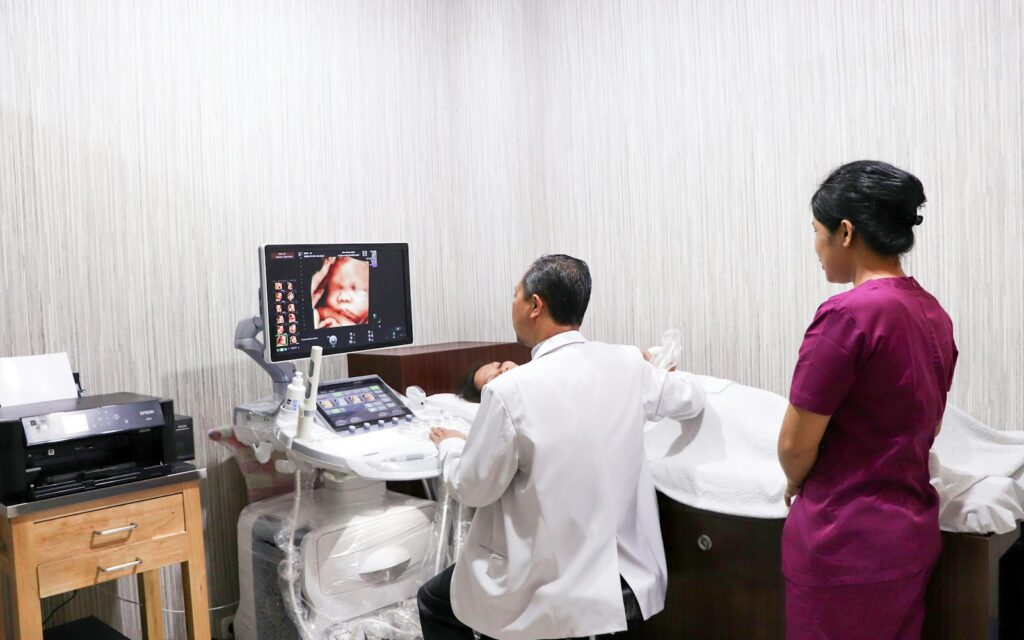
- Bile duct stone removal with ERCP
- Stent placement to relieve blockages and jaundice
- EUS-guided biopsy of pancreatic and liver masses
- Coordination with surgeons and oncologists
Stones and Tumors We Evaluate
Early diagnosis leads to faster relief and better treatment planning.
Gallstones
Stones in the gallbladder that may cause pain or move into ducts.
Bile Duct Stones
Stones blocking the common bile duct (choledocholithiasis).
Pancreatic Duct Stones
Often linked to chronic pancreatitis.
Pancreatic Tumors
Masses and cysts requiring evaluation and biopsy.
Bile Duct Tumors
Cholangiocarcinoma and other causes of blockage.
Liver Tumors
Including liver cancer in people with cirrhosis.
Our Approach
Fast evaluation and minimally invasive treatment whenever possible.
- Imaging ReviewUltrasound, CT, MRI or MRCP findings are reviewed with you.
- Endoscopic DiagnosisEUS provides detailed images and tissue samples.
- TreatmentERCP removes stones or places stents to restore bile flow.
- Coordinated CareFor cancers, Dr. Awan works closely with surgeons and oncologists.
Warning Signs to Watch For
Seek prompt medical care if you notice yellowing of the skin or eyes, dark urine, pale stools, severe upper abdominal pain, fever with chills, or unexplained weight loss. These can be signs of a blocked bile duct or a tumor.
Gallstones and Bile Duct Stones
Gallbladder stones are common. When a stone moves into the bile duct, it can cause jaundice, infection or pancreatitis and usually needs ERCP, often followed by gallbladder removal.
Pancreatic and Bile Duct Cancers
These cancers are often found late. EUS-guided biopsy provides an accurate diagnosis, and stents can relieve jaundice while treatment is planned.
Related Services
Learn about ERCP, endoscopic ultrasound and our article What Is ERCP?.
Cancers & Stones FAQs
Do gallstones always need treatment?
No. Gallstones that cause no symptoms often need no treatment. Stones that cause pain, infection or block ducts usually do.
Can bile duct stones be removed without surgery?
Yes. ERCP can remove most bile duct stones without open surgery.
How are pancreatic tumors diagnosed?
Imaging such as CT or MRI is often followed by endoscopic ultrasound with biopsy for an accurate diagnosis.
What is a biliary stent?
A small tube placed during ERCP to keep a blocked bile duct open so bile can drain.
Talk to Our Team
- Call (940) 243-0912
- Mon – Fri: 8:00 AM – 5:00 PM
- 6 locations in Denton & Coppell
Request an Appointment
Get Expert Evaluation for Stones or Tumors
Talk with an experienced therapeutic endoscopist in Denton. Call our office today.