- 3304 Colorado Blvd, Suite 202, Denton, TX 76210
- Serving Denton · Lewisville · Coppell
Services · Upper Endoscopy
Upper Endoscopy (EGD) in Denton, TX
A quick, sedated outpatient exam to find the cause of heartburn, swallowing problems, ulcers and upper GI bleeding, performed by experienced gastroenterologist Dr. Amjad Awan.

What Is an Upper Endoscopy?
A Clear View of Your Esophagus, Stomach and Duodenum
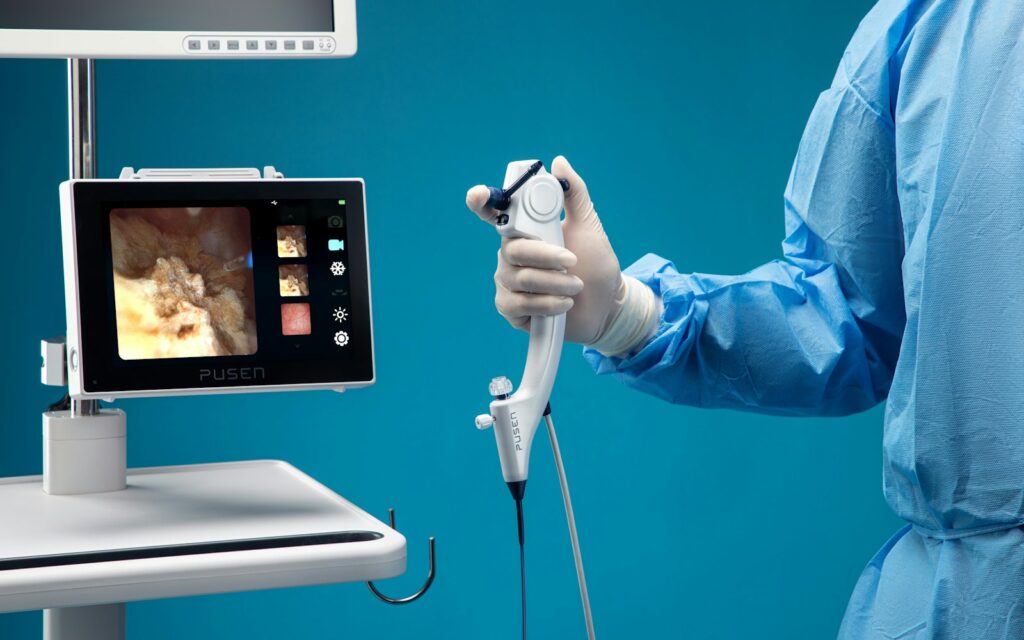
An upper endoscopy, also called an EGD (esophagogastroduodenoscopy), uses a thin, flexible camera passed through the mouth to examine the esophagus, stomach and the first part of the small intestine (duodenum).
During the same exam, Dr. Awan can take biopsies, treat bleeding, remove small polyps and stretch (dilate) narrowed areas of the esophagus.
Reasons for an EGD
When an Upper Endoscopy May Be Recommended
Dr. Awan may recommend an EGD to evaluate these common upper digestive symptoms and conditions.
Persistent Heartburn
Frequent reflux or symptoms that don't improve with medication.
Difficulty Swallowing
Food sticking, pain with swallowing or a feeling of a lump in the throat.
Ulcers & Stomach Pain
Upper abdominal pain, nausea or suspected peptic ulcer disease.
Upper GI Bleeding
Vomiting blood, black stools or unexplained anemia.
Celiac Disease
Small intestine biopsies to confirm or rule out celiac disease.
Barrett's Surveillance
Monitoring of Barrett's esophagus to detect changes early.
How It Works
Your Upper Endoscopy, Step by Step
An EGD is a short outpatient procedure. Here is what to expect.
Preparation
Do not eat or drink for several hours before your exam, as instructed. Let us know about blood thinners and diabetes medicines.
The Procedure
You receive sedation, and Dr. Awan gently passes the endoscope through your mouth. Breathing is not affected.
Recovery
You rest while the sedation wears off. A mild sore throat or bloating is normal and short-lived. Arrange a ride home.
Results
Dr. Awan reviews the findings with you. Biopsy results are typically available within a few days.
Upper GI Care in Denton
Understanding Upper GI Symptoms
Symptoms in the upper digestive tract are common, and many people live with them for years. An upper endoscopy gives a direct, accurate look at the cause so treatment can be targeted instead of trial and error.
EGD for Acid Reflux and GERD
Long-standing reflux can inflame the esophagus, cause narrowing, or lead to Barrett’s esophagus. An EGD shows how much damage is present and guides treatment, from medication to endoscopic therapy.
Diagnosing Ulcers and H. pylori
Stomach and duodenal ulcers are often caused by H. pylori infection or regular use of anti-inflammatory pain relievers. Biopsies taken during endoscopy can confirm the cause so it can be treated effectively.
Trouble Swallowing
Food that feels stuck may be caused by a narrowing, a ring, inflammation or a motility problem. During an EGD, Dr. Awan can often dilate a narrowed area to relieve symptoms right away.
FAQ
Upper Endoscopy FAQs
Is an upper endoscopy painful?
Sedation keeps most patients comfortable during an EGD. Afterward you may have a mild sore throat or feel bloated for a short time.
How long does an EGD take?
The procedure itself usually takes about 15 to 30 minutes. Plan to spend extra time for check-in and recovery.
Do I need to fast before an upper endoscopy?
Yes. You will be asked not to eat or drink for several hours before the procedure so your stomach is empty. Our team will give you exact instructions.
Can I go back to work the same day?
Because of sedation, you should not drive, work or make important decisions for the rest of the day. Most people return to normal activities the next day.
More GI Services
Explore Our Other Services
Colonoscopy & Colon Cancer Screening
Find and remove precancerous polyps early with the gold-standard screening exam.
ERCP
Treat bile duct stones, blockages and pancreatic duct problems without open surgery.
Endoscopic Ultrasound (EUS)
High-detail imaging of the pancreas, bile ducts and GI wall.
GERD & Barrett's Esophagus
Lasting relief from chronic acid reflux and Barrett's surveillance.
Digestive Disease Consultations
Expert evaluation of IBS, IBD, celiac disease, liver disease and more.
Schedule an Upper Endoscopy in Denton
Get answers about heartburn, swallowing problems and stomach pain. Call our office today.